







A Catalog of Market-Based Economic Systems Varieties
Through these ten dimensions, we can identify and analyze several prominent market-based models operating globally today. Each model presents a unique combination of institutional mechanisms.
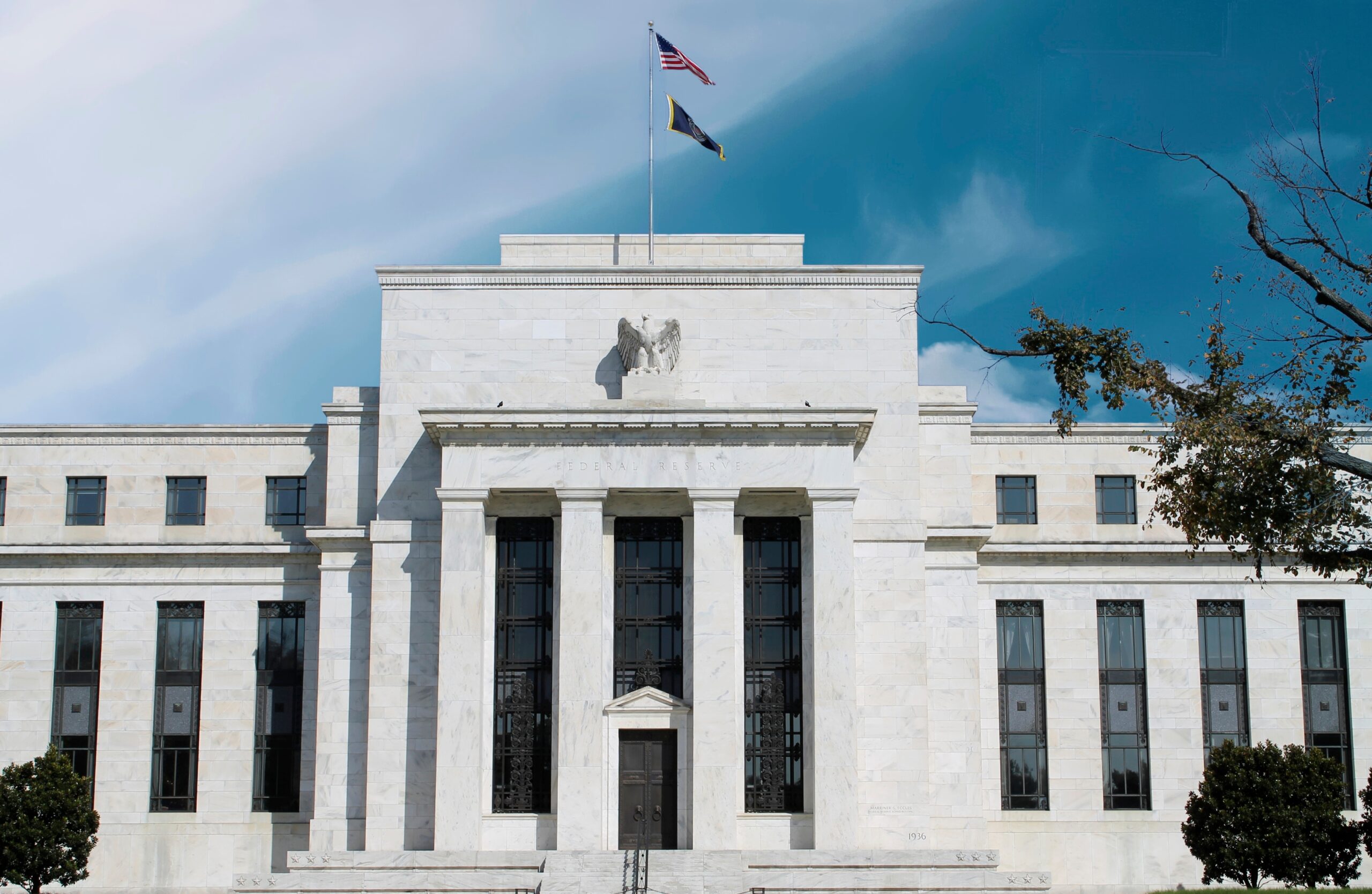
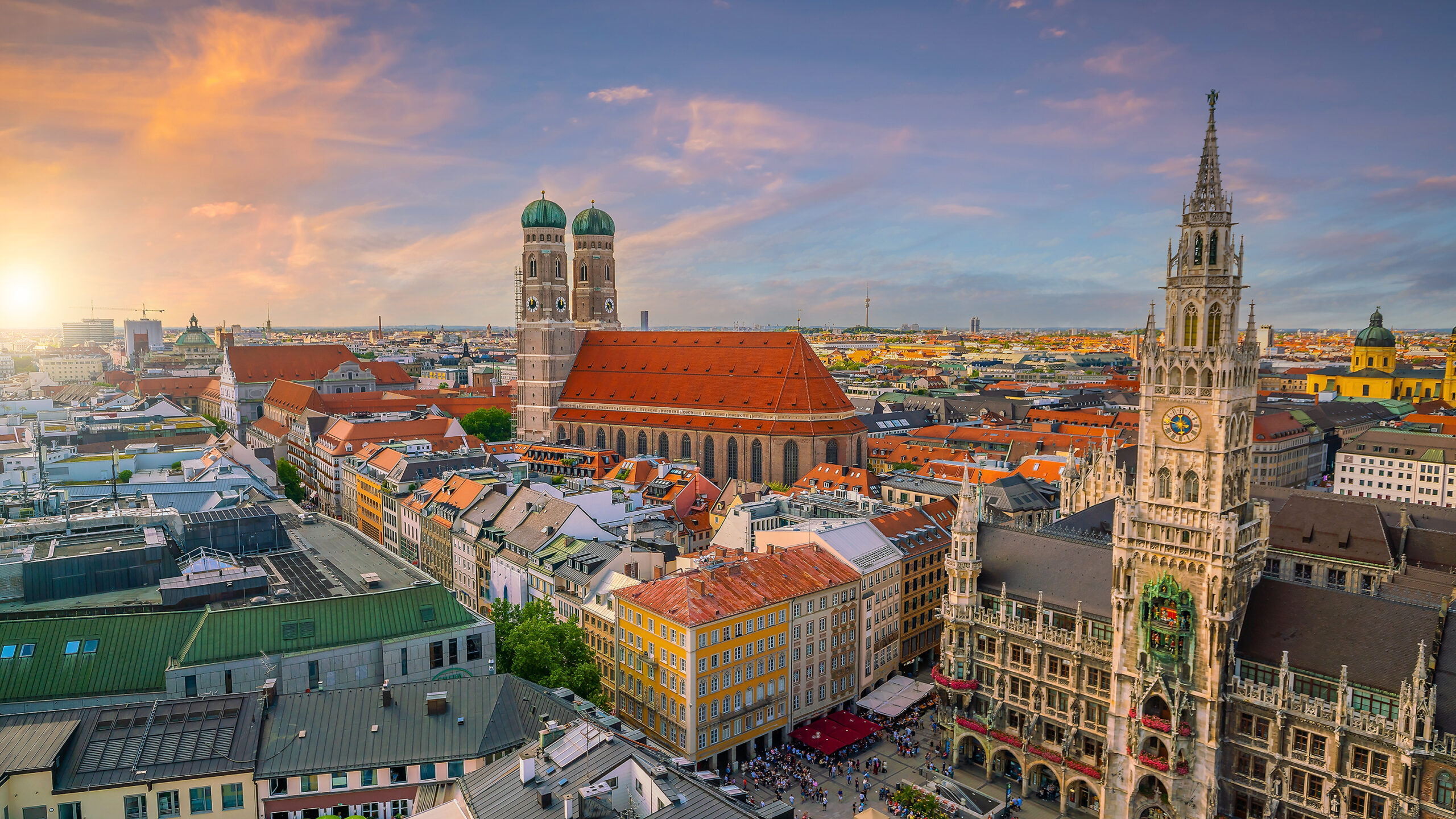
Liberal Market Economy
United States · United Kingdom . switzerland
Found in nations like the United States and the United Kingdom, the Anglo-Saxon model relies on minimal state intervention, deep capital markets, and flexible labor relations. It excels in generating radical innovation and rapid resource reallocation.
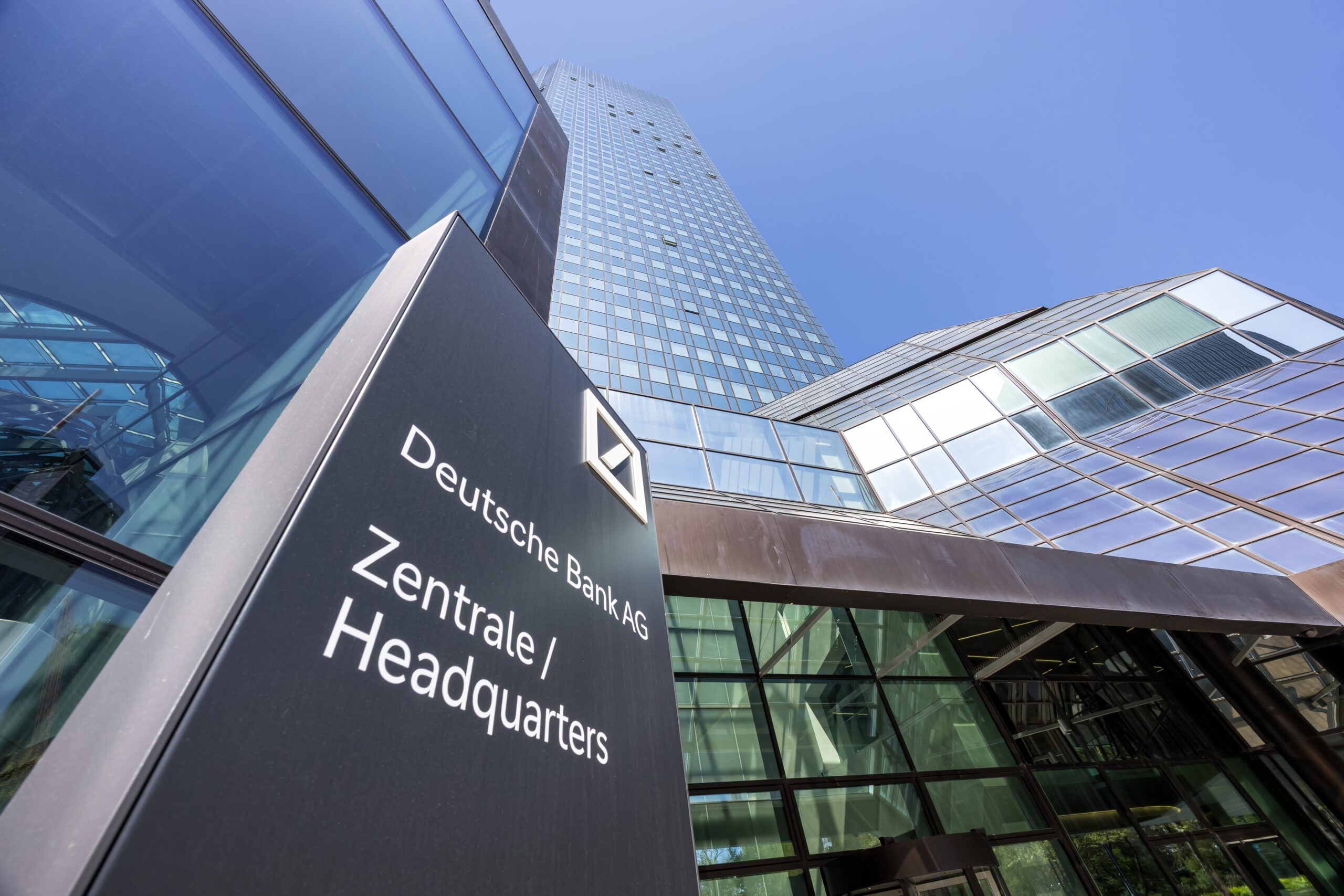
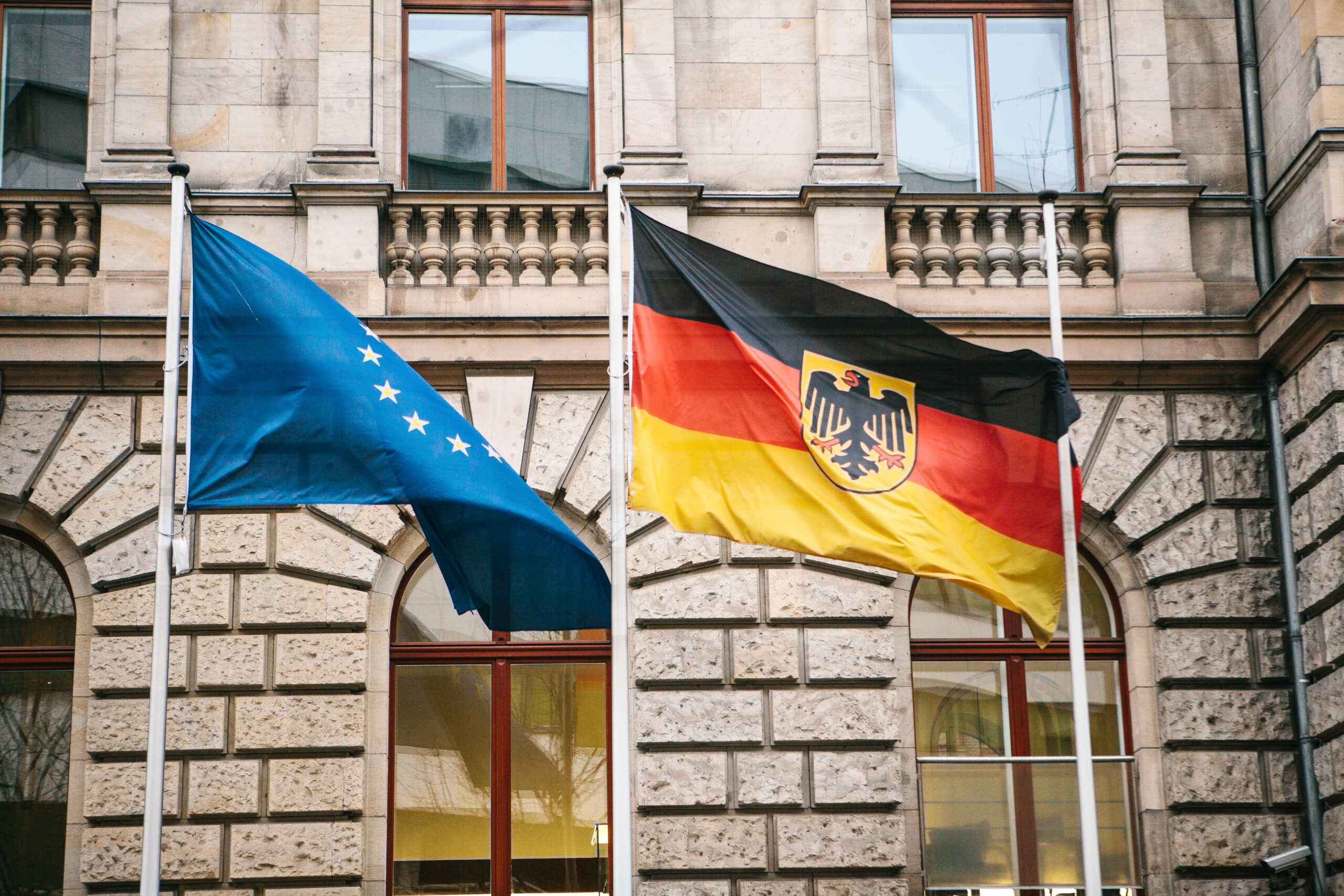
Coordinated Market Economy
Germany · Netherlands
Exemplified by Germany and the Netherlands, the Rhine/Nordic model features a facilitative state, bank-based patient capital, and strong worker co-determination. This system delivers high-quality advanced manufacturing and stable, long-term investments.
Social Democratic Capitalism
Denmark · Finland · Norway · Sweden
Practiced predominantly in Nordic countries like Denmark, Finland, Norway and Sweden, this model leverages an active state to provide universal public services and high social protection. It successfully combines global competitiveness with low inequality, driving strong innovation in green technology and human capital development.

State-Led / Developmental Capitalism
South Korea · Singapore · UAE
Historically driving the rapid growth of East Asian economies like South Korea and Singapore, as well as the United Arab Emirates, this model uses the state as a strategic planner to direct credit and coordinate industrial upgrading. It is highly effective for late-industrializing catch-up growth.
Mediterranean / Mixed Market Economy
Italy · France
Present in countries such as Italy and France, this model features an interventionist but sometimes inconsistent state, bank-dominated finance, and strong family capitalism. It offers distinct flexibility in cultural and niche manufacturing sectors, while grappling with segmented labor markets and public debt constraints.
Emerging Market Capitalism
Brazil · India · Indonesia
Spanning diverse nations like Brazil, India, and Indonesia, these hybrid models operate with developmental ambitions often constrained by institutional capacity. They showcase immense demographic dynamism and digital leapfrogging, alongside challenges related to large informal sectors and vulnerability to external shocks.
Resource-Dependent Capitalism
Resource-Rich Nations
In resource-rich nations, the state acts as the primary owner and distributor of resources. The success of this model hinges on sovereign wealth management and economic diversification to combat extreme vulnerability to global commodity price fluctuations.
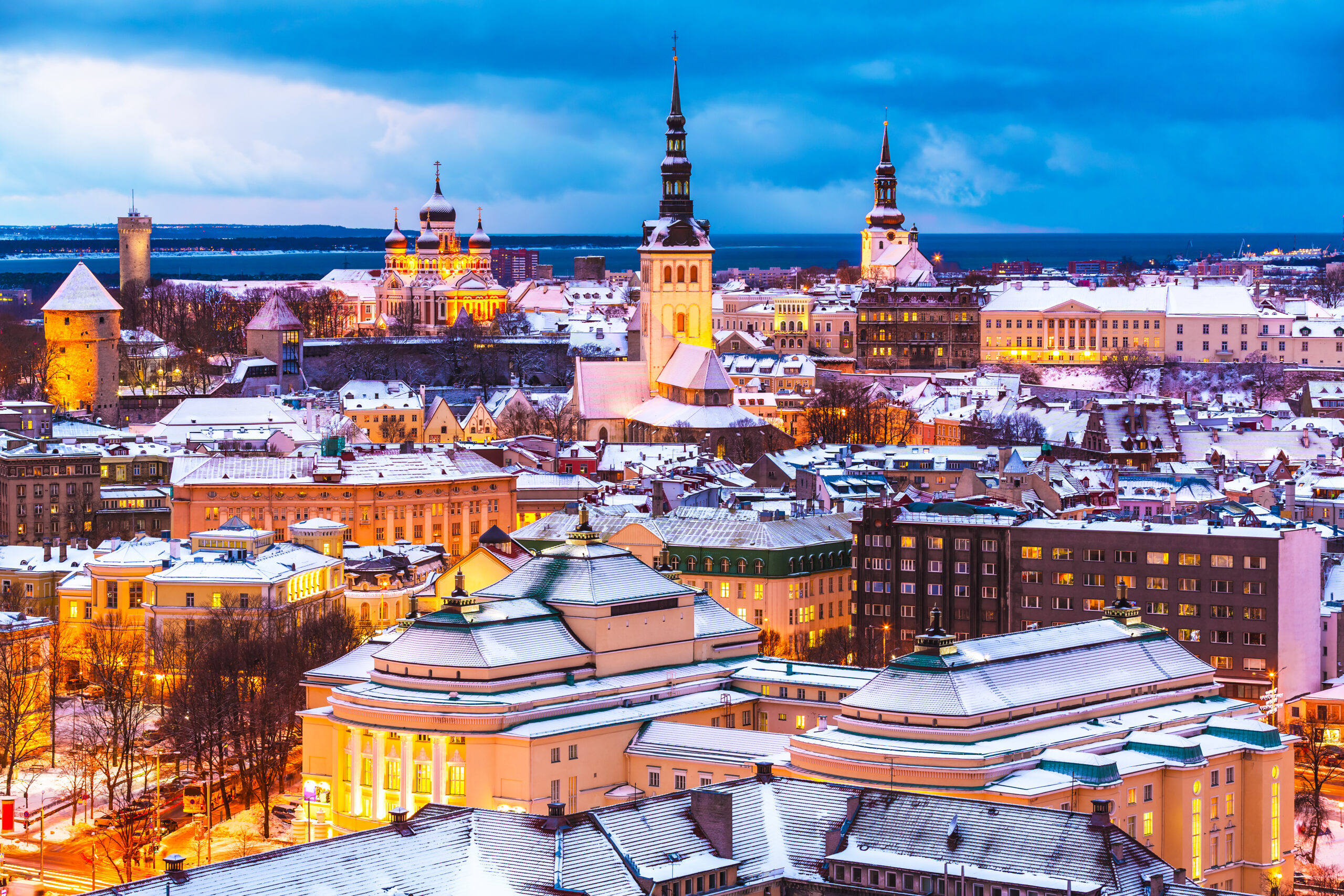
Post-Socialist Transition Capitalism
Poland · Estonia
Encompassing Eastern European nations like Poland and Estonia, this model focuses on rebuilding regulatory capacity and integrating into broader economic unions. It demonstrates rapid institutional learning and emerging technology ecosystems, balanced against the legacies of privatization and varying geopolitical resilience.
The central question in global economics is no longer which model of market-based economic system is inherently superior, but which specific institutional configuration—or hybrid approach—is most appropriate for a given context, purpose, and set of societal values.
A pluralist approach to economic analysis rejects rigid universal blueprints. It brings vital trade-offs to the forefront, explicitly acknowledging that balancing flexibility with security, or sovereignty with integration, requires deliberate policy choices. By recognizing that power and politics fundamentally shape economic outcomes, we can engage in adaptive strategy that evolves alongside new evidence and changing global conditions.
In an era defined by complex disruptions, no single economic model holds all the answers. Recognizing and analyzing capitalist diversity is not mere academic observation; it serves as a critical strategic resource for policymakers, business leaders, and global analysts.
Follow the Series. Shape the Future.
We invite you to follow the Economic Model Development series as we publish thorough analyses, comparative studies, and strategic forecasts on these varying systems. Explore our upcoming reports to understand how distinct institutional frameworks are adapting to shape the future of the global economy.
You will be notified when new reports are published. No spam.